Article 7 - The Importance of Emotional Intelligence Required for Leadership
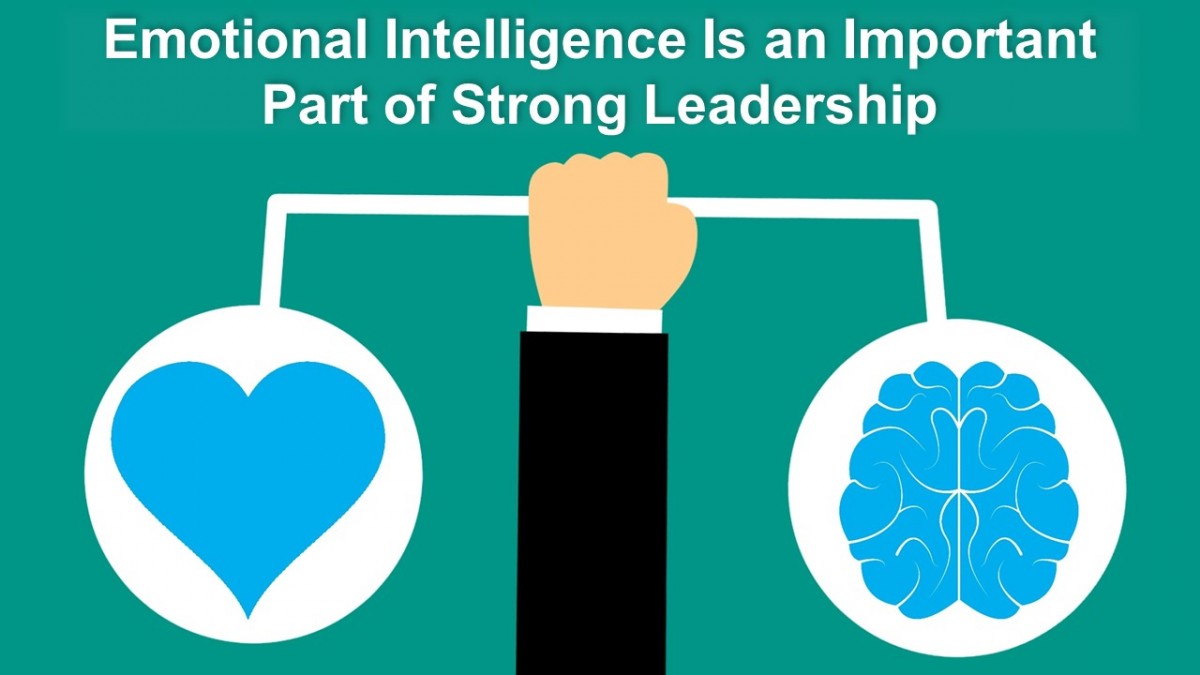
In the competitively challenging era leadership required to
be extended beyond the typically required technical skill and strategic
planning towards the EQ or EI (Emotional Intelligence) to ensure effective
leadership.
EI is the capability of recognize, understand and control
one’s own emotions while also being attuned to the emotions of others. As which
will ultimately enhance the organization’s success by uplifting performance and
creativity.
Leaders with high emotional intelligence can navigate complex social interactions, resolve conflicts, and build stronger relationships, ultimately fostering a more positive and productive work environment (Goleman, 1995).
Understanding Emotional Intelligence
Emotional intelligence consists of multiple elements.
Listing the primary five elements:
- Self-Understanding
– Identifying and understanding personal emotions and their influence on
others.
- Self-Control
– Controlling and redirecting disruptive emotions and impulses.
- Motivation
– Having the interest of doing things extraordinarily.
- Empathy
– Understanding and considering others’ emotions.
- Social
skills – Having the balanced relationships to influence others
effectively.
With the exact collaboration of the above elements and the technical knowledge is vital to make leadership very effective in an organization.
Why is Emotional Intelligence Required in Leadership?
· Communication - Leaders with strong emotional intelligence communicate clearly, listen attentively, and show empathy, which helps build trust and teamwork (Goleman, 1995). They also adjust their communication approach based on their team members' emotions, creating a supportive environment and minimizing workplace stress (Cherniss, 2010)
· Relationships - Leaders with emotional intelligence build strong, meaningful connections with their employees. By showing empathy and understanding, they foster an inclusive and respectful work culture, leading to higher job satisfaction, increased engagement, and stronger loyalty (Goleman, 1998). Additionally, these leaders handle conflicts effectively, helping to resolve disputes and maintain a positive and cooperative workplace (Mayer et al., 2004).
· Decision-Making - Leaders with emotional intelligence make thoughtful decisions by balancing logic with an awareness of emotions. While data and reasoning are essential, EI allows them to understand how their choices affect team morale and the overall workplace culture (Goleman, 1995). Moreover, those with strong EI stay calm under pressure, enabling them to make rational decisions even in difficult situations (Salovey & Mayer, 1990).
· Employee
Motivation and Performance - A key element of emotional intelligence is
intrinsic motivation. Leaders who are genuinely passionate about their work
inspire their teams to aim for excellence. By acknowledging accomplishments and
setting purposeful goals, emotionally intelligent leaders cultivate a highly
motivated workforce (Cherniss, 2010). Additionally, they foster a supportive
workplace culture that boosts employee engagement and enhances productivity
(Goleman, 1998).
· Positive Organizational Culture - A leader's emotional intelligence plays a crucial role in shaping the culture of an organization. Leaders with high EI foster an inclusive environment, encourage transparent communication, and prioritize employee well-being, creating a workplace where individuals feel valued and motivated to do their best work (Mayer et al., 2004). Furthermore, emotionally intelligent leaders help reduce workplace stress and improve work-life balance, which leads to increased job satisfaction and better talent retention.
The Benefits of Emotional Intelligence for Leaders
·
Improve Leadership Effectiveness
·
Improve Employee Satisfaction and Retention
·
Enhance The Team Performance
·
Resilience in Facing Challenges

Developing Emotional Intelligence in Leadership
Emotional intelligence is not an alien thing to be afraid of,
through proper learning, practice and evaluation and alignment will lead to a greater
leadership.
Key processes are
- Mindfulness
Practices
- Feedback
and Reflection
- Empathy
Training
- Stress
Management
Summary
Emotional intelligence is a most important and unavoidable skill
for greater leadership. It gives the comprehensive idea to manage emotions,
build strong relationships to navigate and manage complex prospects to drive to
decide to improve the outcome while enhancing the satisfaction. As workplaces
continue to evolve, emotionally intelligent leaders will be better positioned
to drive innovation, manage change, and create a thriving organizational
culture.
By focusing on emotional intelligence improvement organization has the access to cultivate successful leaders to reach the organizational goals while creating and sustain the actively engaging workforce where both organization and the employee both benefitted.
References
- Cherniss,
C. (2010). Emotional Intelligence: Toward Clarification of a Concept.
Industrial-Organizational Psychology, 3(2), pp. 110-126.
- Goleman,
D. (1995). Emotional Intelligence: Why It Can Matter More Than IQ.
New York: Bantam Books.
- Goleman,
D. (1998). Working with Emotional Intelligence. New York: Bantam
Books.
- Mayer,
J. D., Salovey, P., & Caruso, D. R. (2004). Emotional Intelligence:
Theory, Findings, and Implications. Psychological Inquiry, 15(3), pp.
197-215.
- Salovey,
P., & Mayer, J. D. (1990). Emotional Intelligence. Imagination,
Cognition and Personality, 9(3), pp. 185-211.


This is a well-structured and interesting article on the importance of emotional intelligence (EI) in leadership. You’ve effectively highlighted how EI promotes communication, decision-making, and organisational culture. According to Goleman (1995), there are five components of EI: self-awareness, self-regulation, motivation, empathy, and social skills.
ReplyDeleteAlso, I Would like to know how you apply emotional intelligence at your workplace?
Hi,
DeleteThank you for the feedback,
As questioned, being a middle manager and leading a team, EI is vital. The subordinates are not equally same in the age, gender, ethnicity, religion, skill, knowledge and wills. therefor common typical approaches will create problems rather than creating engagement where individualized tailor-made approaches only help to manage and lead the team, where having high level on emotional intelligence will make the process more productive from the planning to end results where employees feel personally when dealing with their heart and mind Intergrated decision making.
This comment has been removed by the author.
ReplyDeleteEmotional intelligence is definitely important in modern leadership—not just for managing teams, but for building trust, boosting morale, and creating a positive workplace culture. Loved how the piece connected EI to real outcomes like better communication, decision-making, and motivation :)
ReplyDeleteDear Manoj,
ReplyDeleteEI is a very important factor connected to development of leadership skills. As you have correctly said, identifying/managing and controlling of the 5 key competencies of EI are very important factors to be a strong leader.
Further, emotional intelligence (EI), is not a soft skill but a fundamental requirement for fostering trust, inspiring teams, driving performance, and ultimately achieving organizational success [Forbes, 2023; Babson College, 2024].